

For years omnichannel was seen as a competitive advantage in retail. Brands that connected their online stores, physical outlets, mobile apps, and customer service channels were considered ahead of the curve. Today, that has changed.
Omnichannel is no longer a special strategy. It has become the basic expectation. Customers don’t think about “channels” the way retailers do. To them, it’s simply one brand experience.
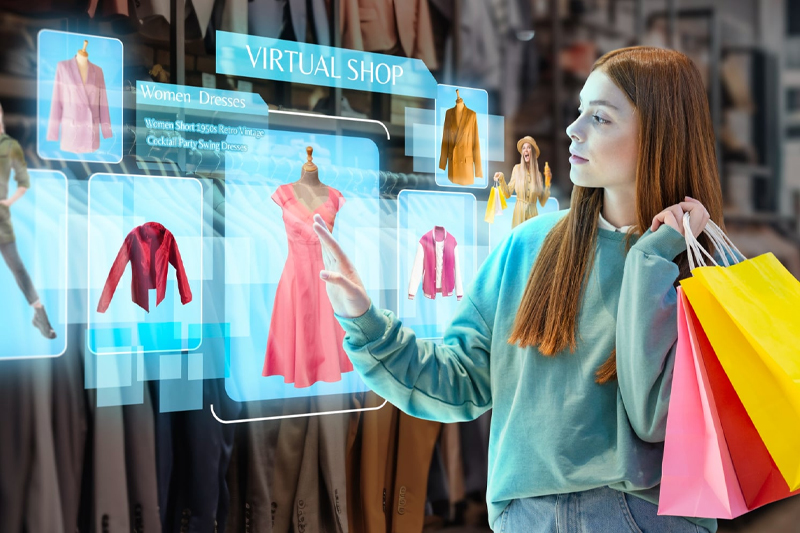
A shopper might first discover a product on social media, compare prices on a mobile app, visit a store to see it in person, and complete the purchase online later that evening. From the customer’s perspective, this is one continuous journey. If the different touchpoints aren’t connected, the experience quickly feels frustrating and disjointed.
Retailers that still treat each channel separately risk losing customers who expect a seamless experience.
How Customers Shop Today
Modern shoppers move easily between digital and physical spaces. Many purchases that happen in-store actually begin with online research. At the same time, in-store experiences often influence purchases that happen later online.
Because of this, customers now expect conveniences such as:
- Checking product availability online before visiting a store
- Buying online and picking up in-store
- Returning online purchases at a physical location
- Receiving the same pricing and promotions across all channels
When these experiences work smoothly, customers rarely think about the systems behind them. But when something doesn’t work like an item showing as available online but missing in the store frustration sets in quickly.
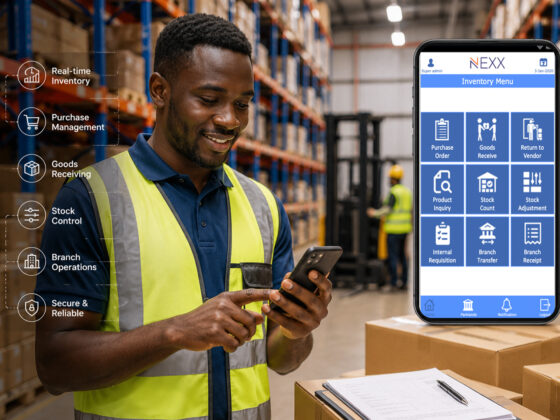
Delivering a seamless experience requires more than just having multiple sales channels. It depends on connected systems and unified data. Inventory levels, pricing, customer profiles, and purchase history must stay consistent across every touchpoint. Without integrated systems, retailers often face common challenges such as inaccurate stock levels, delayed order fulfillment, and inconsistent customer experiences.
Retailers that succeed in omnichannel environments invest in technologies that bring their operations together. These include inventory management platforms, customer data systems, and e-commerce tools that communicate with each other in real time.
When these systems work together, businesses gain a clearer view of both their customers and their operations. This makes it easier to personalize offers, manage inventory efficiently, and deliver faster service.
Despite the rapid growth of e-commerce, physical stores remain an important part of the retail ecosystem. Today many stores serve multiple purposes. They act as fulfillment centers, product experience hubs, and customer service points.
Retailers are increasingly using stores to support services such as click-and-collect, same-day pickup, and easy returns. This approach blends the convenience of digital shopping with the personal experience that only physical stores can provide.
Rather than competing with online channels, physical stores now strengthen them.
Retailers that fail to deliver a connected experience face real consequences. Customers have more choices than ever before, and they won’t hesitate to switch brands if the shopping journey feels complicated.
A disconnected experience can lead to abandoned carts, lost sales, and negative perceptions of a brand. In today’s competitive market, convenience often plays a major role in building customer loyalty.
In conclusion, omnichannel is no longer something retailers adopt to stand out. It has become the foundation of modern retail operations. What truly sets retailers apart today is how well they execute it. Speed, personalization, reliable fulfillment, and consistent experiences are now the key differentiators.
Retailers that recognize this shift and invest in connected systems, unified data, and customer-focused experiences will be better positioned for the future.