


Why Integrating Payments Directly into POS and ERP is the Future of Retail
Retail is no longer just about selling products. It’s about speed, accuracy, and delivering a seamless experience at every touchpoint. One area where many retailers still struggle, however, is payments.
In many businesses today, payments are still handled as a separate function from the core retail system. A sale is processed in the POS, then confirmed through a different payment terminal, and later reconciled manually in the ERP. This fragmented approach creates inefficiencies that retailers can no longer afford. Integrating payments directly into POS and ERP systems is changing that.
What Does Payment Integration Really Mean?
At its core, payment integration connects your payment processing directly with your POS and ERP. This means that when a transaction happens at the checkout, the payment is automatically captured, recorded, and reflected across your systems in real time. There’s no duplication, no manual reconciliation, and no gaps in reporting.
The Hidden Costs of Disconnected Systems
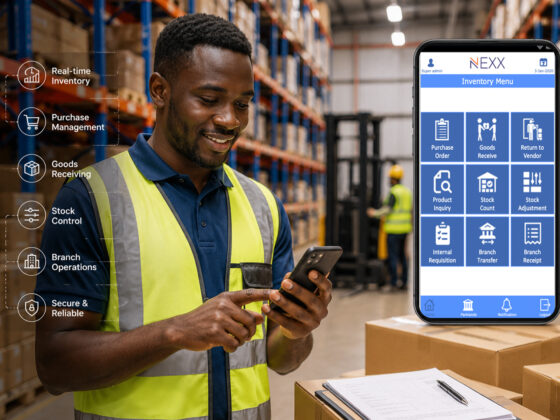
Retailers often underestimate how much time and money is lost through disconnected systems. Manual reconciliation alone can take hours or even days, especially for businesses with multiple branches.
Errors become more common. Finance teams spend time chasing mismatches. Store staff deal with delays at checkout. And management lacks a real-time view of performance. Over time, these inefficiencies add up and directly impact profitability.
Speed and Experience at the Checkout
Today’s customers expect fast, frictionless payments. Whether it’s card, mobile money, or digital wallets, the process needs to be instant and reliable.
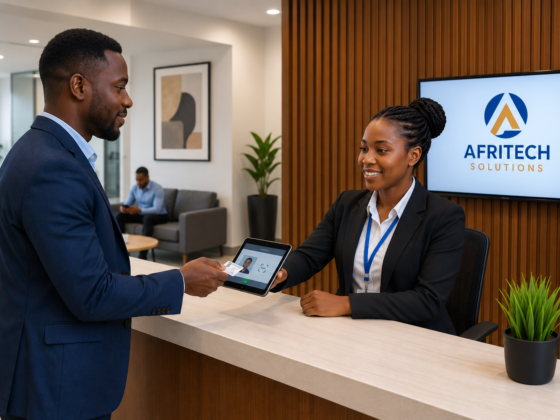
When payments are integrated into the POS, transactions are faster and smoother. There’s no need to switch between devices or re-enter amounts. This reduces queues, improves customer satisfaction, and allows staff to focus on service rather than troubleshooting.
Real-Time Visibility for Better Decisions
One of the biggest advantages of integration is visibility. With payments flowing directly into the ERP, retailers get real-time insights into sales, cash flow, and store performance. This allows for faster, more informed decision-making.
Finance teams can close books quicker. Management can track performance across branches instantly. And discrepancies can be identified and resolved early.
Improved Accuracy and Reduced Fraud Risk
Manual processes increase the risk of human error and fraud. When systems are integrated, every transaction is automatically recorded and matched.
This creates a clear audit trail and reduces opportunities for manipulation or mistakes. For retailers, this means stronger financial control and greater confidence in their data.
Supporting Multiple Payment Methods
The modern retail environment demands flexibility. Customers want to pay how they choose. An integrated system makes it easier to support multiple payment methods, including cards, mobile money, QR payments, and digital wallets, all within a single workflow. This not only improves convenience but also increases conversion rates at the point of sale.
Scalability for Growing Retailers
As retailers expand, complexity increases. More stores, more transactions, and more data. An integrated payment system scales with the business. Whether you’re running five stores or fifty, the same streamlined processes apply. This consistency is critical for maintaining control and efficiency during growth.
The Strategic Advantage
Payment integration is no longer just an operational improvement. It’s a strategic advantage. Retailers that invest in integrated systems are better positioned to deliver superior customer experiences, operate efficiently, and make data-driven decisions. In a competitive market, these advantages can make all the difference.
In conclusion, the gap between payments, POS, and ERP is closing, and for good reason. Integration eliminates inefficiencies, improves accuracy, and enhances the overall retail experience. For retailers looking to grow and stay competitive, bringing payments into the core system is not just an upgrade. It’s a necessary step forward.