

How Retailers Can Turn Customer Data Into Revenue Streams
Every interaction a customer has with a retailer tells a story. From the products they browse to the purchases they make and the channels they prefer, these touchpoints create valuable insights. Yet many retailers collect large amounts of data without fully using it to grow their business.
The real opportunity is not in gathering more information. It is in using existing customer data to create better experiences, strengthen loyalty, and unlock new sources of revenue.
Retailers often focus on transactions, but customer data can reveal much more than what someone bought last week. Shopping frequency, preferred payment methods, seasonal buying patterns, and responses to promotions all help build a clearer picture of customer behavior.
When businesses understand these patterns, they can make smarter decisions about product placement, pricing, inventory, and marketing campaigns. Instead of relying on assumptions, they can respond to what customers are actually doing.
Personalization Drives Higher Sales
Consumers increasingly expect retailers to know their preferences. A generic promotion sent to thousands of customers may achieve modest results, but a targeted recommendation based on previous purchases is far more likely to generate interest.
For example, a customer who regularly buys baby products might appreciate discounts on related essentials rather than offers for electronics. Similarly, someone who shops during holiday seasons may respond well to timely reminders and curated bundles.
Personalization not only improves the customer experience but also increases average order value and repeat purchases.
Build Loyalty That Lasts
Customer retention is often more profitable than constant customer acquisition. Data-driven loyalty programs help retailers reward shoppers based on their behaviour instead of offering one-size-fits-all incentives.
Exclusive discounts, birthday rewards, early access to new collections, or personalized offers encourage customers to return. Over time, these relationships create a dependable revenue stream while reducing marketing costs.
Improve Inventory Decisions
One hidden benefit of customer data is its ability to improve inventory planning. By analyzing buying trends across locations and seasons, retailers can stock products more efficiently and reduce costly overstocks or stockouts.
When the right products are available at the right time, sales increase while waste and operational expenses decline.
Unlock Revenue Through Strategic Partnerships
Aggregated and anonymized customer insights can also create opportunities to collaborate with suppliers and brand partners. Understanding which products perform well, which customer segments are growing, or how promotions influence buying behavior allows retailers and suppliers to make better joint decisions.
The emphasis should always remain on protecting customer privacy and complying with applicable data protection regulations. Trust is essential, and responsible data practices strengthen long-term relationships with customers.
Use Predictive Analytics to Stay Ahead
Modern analytics tools can identify trends before they become obvious. Instead of reacting after sales decline, retailers can anticipate demand, forecast future purchasing patterns, and proactively launch campaigns.
Predictive insights also support cross-selling and upselling by identifying complementary products that customers are likely to purchase together.
Create Better Omnichannel Experiences
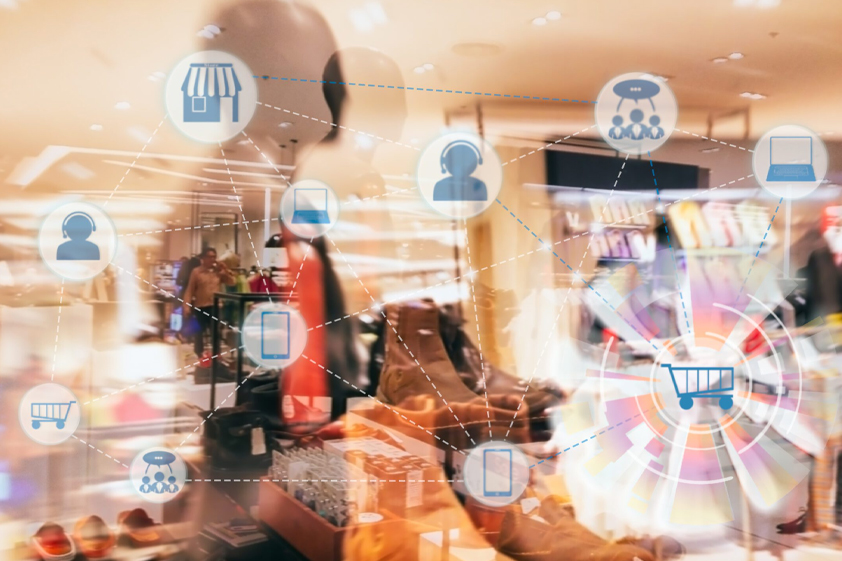
Customers often move between physical stores, websites, and mobile apps before completing a purchase. Bringing these interactions together creates a unified view of the customer journey.
With integrated data, retailers can offer consistent pricing, personalized recommendations, and seamless experiences across every touchpoint. This consistency increases customer satisfaction and encourages repeat business.
Data Is an Asset, Not Just a Record
In conclusion, retailers that treat customer data as a strategic asset gain a competitive advantage. The goal is not simply to collect information but to use it thoughtfully to improve decision-making and deliver more value to customers.
When handled responsibly, customer data becomes much more than a collection of numbers. It becomes a foundation for stronger relationships, more effective marketing, smarter operations, and sustainable revenue growth.
In an increasingly competitive retail landscape, the businesses that succeed will be those that transform insight into action and action into lasting value for both their customers and their bottom line.